
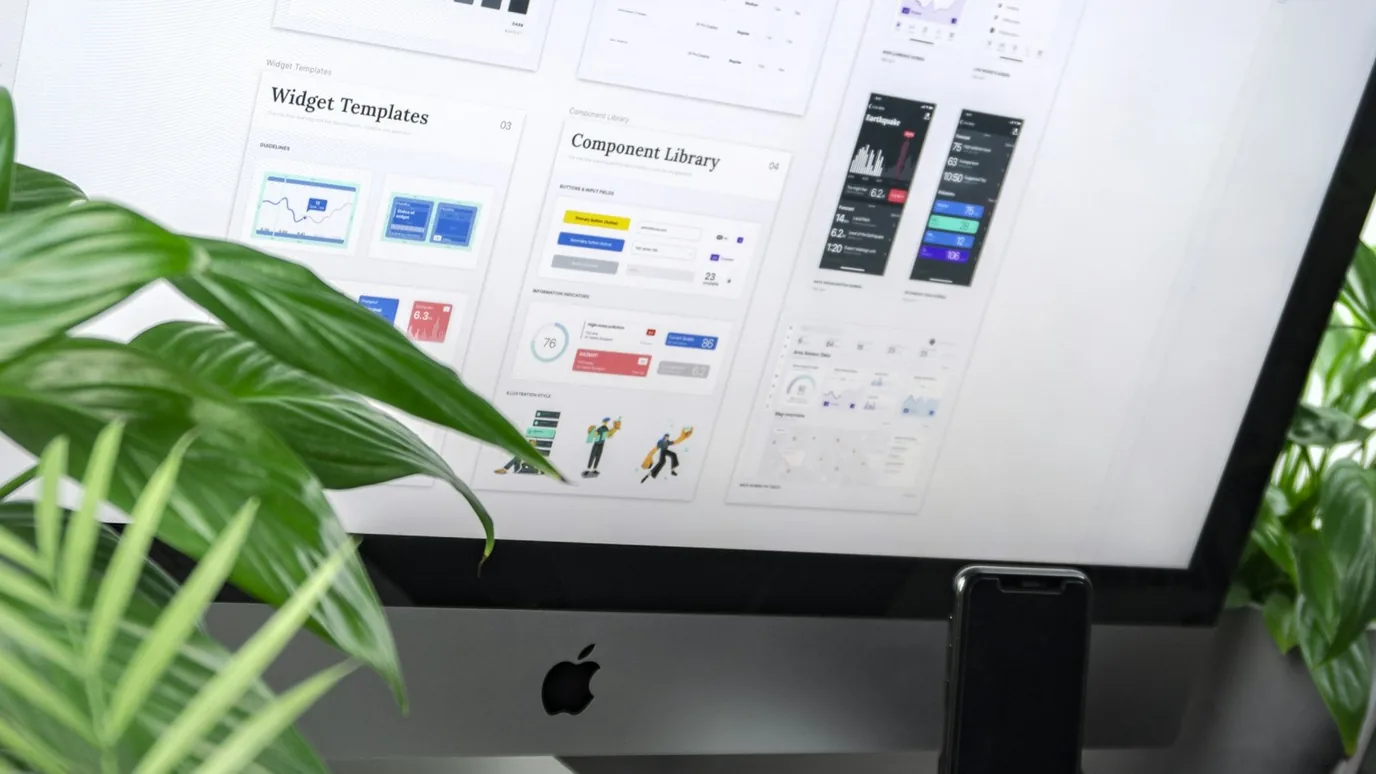
In modern multi-platform enterprise design engineering, design tokens represent the fundamental atomic contract between brand strategy, visual UI design, and production front-end code. When an organization maintains applications across Web (React/Next.js), iOS (SwiftUI), Android (Jetpack Compose), and desktop platforms, manually updating hex codes, spacing scales, and border radiuses across disjointed codebases is an invitation to brand drift and visual regression bugs.
However, as design systems expand to support multi-brand portfolios, dark mode themes, and white-label enterprise clients, managing design tokens without strict architectural versioning quickly descends into chaos. A designer modifying a primary color token in Figma or deleting an obsolete spacing alias can inadvertently break production button components or fail contrast ratios across thousands of production pages. This executive masterclass examines the W3C Design Tokens Community Group specification, audits semantic token inheritance tiers, establishes breaking change governance models, and outlines automated multi-platform sync pipelines.
How Do You Manage Design Token Versioning at Scale?
Managing design token versioning at enterprise scale requires establishing a strict three-tier token hierarchy (Global to Semantic to Component), treating the token repository as a version-controlled single source of truth using Semantic Versioning (SemVer), and deploying automated CI/CD transformation pipelines (such as Style Dictionary) that compile W3C-compliant JSON tokens into platform-native code artifacts across Web, iOS, and Android.
The core architectural mistake in early-stage design systems is mapping component UI properties directly to raw literal values (such as hardcoding a button background directly to a fixed hex code like #3b82f6). If the brand team updates its corporate color palette or introduces a high-contrast accessibility mode, engineers must perform find-and-replace refactors across hundreds of component source files. Mature design systems decouple literal values from components using an intermediate semantic layer.
- The Three-Tier Architecture: Strict adherence to Global (primitive values), Semantic (purpose-driven aliases), and Component-specific token tiers eliminates 90% of downstream refactoring debt.
- SemVer for Design Tokens: Renaming or deleting an existing semantic token is a Major breaking change (v1.0 to v2.0). Adding new tokens is Minor (v1.1), and updating literal values behind existing aliases is a Patch (v1.0.1).
- Automated Platform Compilation: Designers manage tokens in Figma Variables; GitHub Actions compile them via Style Dictionary into CSS variables, Swift structs, and Kotlin objects within seconds of pull request merge.
The Three-Tier Token Architecture Matrix
The table below illustrates the flow of inheritance from raw primitive values to production component styling:
| Token Tier | Naming Convention Example | Underlying Value | Governance Role & Mutability |
|---|---|---|---|
| 1. Global (Primitive) Tier | color-indigo-600 | #4f46e5 / rgb(79, 70, 229) | Raw palette definitions. Never used directly in component styling. |
| 2. Semantic (Alias) Tier | color-background-primary-action | {color-indigo-600} | Context-aware. Swaps dynamically across Light, Dark, and High-Contrast themes. |
| 3. Component Tier | button-primary-background-default | {color-background-primary-action} | Scoped strictly to single component variant. Isolates local design tweaks. |
The Multi-Brand Transformation Pipeline
For organizations operating multiple customer-facing brands (such as a holding company managing three consumer fintech apps), design token versioning enables unified component engineering. Instead of maintaining three separate component codebases, engineers build a single, universal component library (for buttons, input fields, navigation bars, and cards) that consumes semantic CSS variables.
When the application loads, brand-specific token packages inject the appropriate styling variables at the root document node. The component logic—keyboard accessibility, ARIA states, event handling, and focus management—remains 100% shared and tested, while brand identity is swapped purely through token compilation.
Managing Breaking Changes with SemVer
To prevent design updates from crashing production builds, design systems must enforce strict Semantic Versioning (SemVer) discipline:
- Major Version Bump (Breaking Change): Occurs when a token is renamed, deleted, or its data type changes (e.g., changing a spacing token from a pixel integer to a percentage value). Consuming application teams must run automated codemods or perform manual updates before upgrading their dependency version.
- Minor Version Bump (Backward-Compatible Addition): Occurs when new semantic tokens are added to the system (such as adding a specialized elevated card hover state) without altering existing tokens. Safe for automated minor dependency updates.
- Patch Version Bump (Backward-Compatible Fix): Occurs when the raw value behind an existing alias is tweaked (such as adjusting a subtle border tone from #e2e8f0 to #cbd5e1 to satisfy WCAG contrast). No code refactoring required.
Automating Token CI/CD Pipelines: From Figma to Production NPM Packages
In high-performing product engineering organizations, design token updates do not involve manual copy-pasting or static CSS exports. Instead, the workflow is orchestrated through an automated continuous integration and continuous delivery (CI/CD) pipeline:
- Figma Token Sync: Designers manage variables and token collections inside Figma. Using native Figma REST APIs, approved token changes trigger an automated webhook payload to a centralized GitHub token repository.
- Automated Linter and Contract Testing: A GitHub Actions workflow receives the pull request and executes automated schema validation. Linters verify that every token conforms to the W3C specification, checks for circular alias dependencies, and runs contrast ratio validators to ensure WCAG AA compliance.
- Multi-Platform Build with Style Dictionary: Style Dictionary compiles the raw JSON source files into platform-optimized delivery formats: CSS Custom Properties and SCSS maps for web applications, Swift constants and Structs for iOS, and Kotlin object themes for Jetpack Compose on Android.
- Version Tagging and Package Distribution: Changes are automatically tagged with semantic version numbers based on conventional commit messages. The pipeline publishes versioned artifacts to private NPM registries, Maven, and CocoaPods, allowing feature teams to adopt design token upgrades on their standard sprint release cadences.
Design tokens are not a styling shortcut; they are the governing contract of your enterprise visual system. When you manage tokens with the same version control rigor, automated testing, and breaking-change governance that engineering applies to back-end APIs, you eliminate the friction between design handoff and production release. Treat your token repository as a Tier-1 software dependency, and your design system will effortlessly scale across platforms, brands, and international markets.
People Also Ask
What is the W3C Design Tokens Community Group specification?
The DTCG specification is an open standard establishing a unified JSON format for declaring design tokens. It standardizes property syntax, types (color, dimension, typography), and aliases so tokens can be shared seamlessly across Figma, Style Dictionary, and production code.
What is the difference between Style Dictionary and Figma Variables?
Figma Variables allow designers to author and manage tokens directly inside design files. Style Dictionary is an open-source build system that takes exported token JSON files and compiles them into platform-specific code (CSS, SCSS, Swift, Android XML/Compose).
How do you prevent designers from breaking code with token changes?
Implement token linters and automated pull request validations in your token repository. If a designer renames or deletes an existing token, the build system flags the pull request as a breaking change and alerts engineering teams before changes merge to production.