
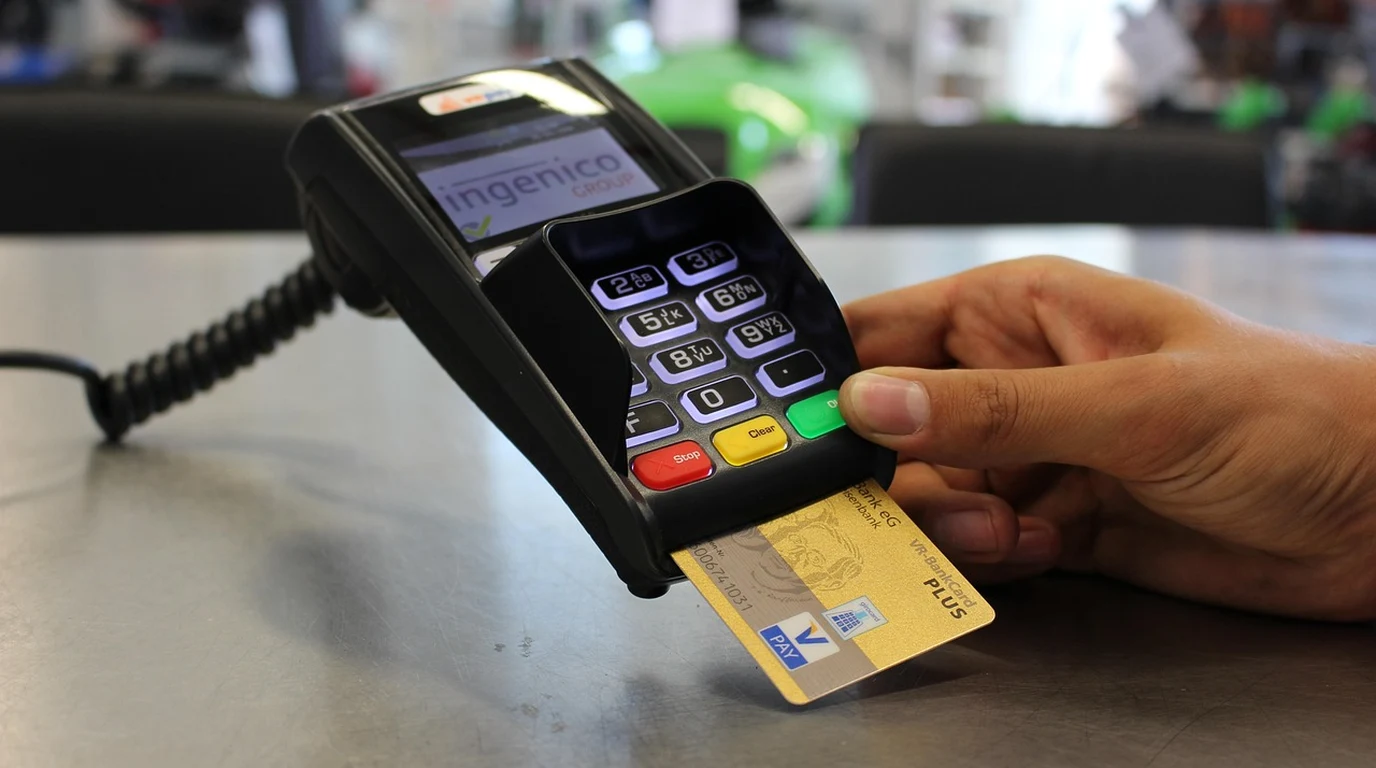
In B2B SaaS economics, involuntary churn is the most preventable bleed in your recurring revenue engine. Industry benchmarks consistently demonstrate that between 20% and 40% of all customer cancellations are not caused by product dissatisfaction, competitive switching, or pricing fatigue—they are triggered by expired corporate credit cards, temporary bank fraud false-positives, and exhausted monthly credit limits. Yet in most software products, the user experience surrounding failed billing is an absolute disaster.
Consider the standard legacy payment failure experience: An automated monthly invoice attempts to charge an expired virtual card at 02:00 AM on a Sunday. By 08:30 AM Monday morning, the SaaS billing engine triggers a hard account suspension. When the customer’s Chief Operating Officer logs in to check operational data, they are greeted by a full-screen red lockout modal: “Access Denied: Past Due Account. Contact Support.” The executive cannot access their work, cannot easily enter a new corporate card without submitting a support ticket, and experiences intense professional embarrassment. Within forty-eight hours, the account is permanently cancelled.
What Is the Most Effective SaaS Dunning UX Workflow?
Dunning management is fundamentally an interaction design challenge, not just an accounting function. The objective is to make updating billing credentials so seamless and frictionless that an authorized finance director can resolve an expired card in under thirty seconds from their smartphone, while allowing the core operational team to continue working without disruption during the retry window.
- Role-Scaped Visibility: Display billing alerts exclusively to account owners and billing administrators. Never panic standard team contributors or view-only users with billing banners they cannot solve.
- Magic-Link Payment Portals: Send billing update emails with cryptographic, single-use authenticated tokens that deep-link directly into a secure Stripe or Adyen payment modal without requiring a password reset.
- Non-Intrusive In-App Banners: Lead with an ambient yellow top-bar banner displaying: “Payment renewal failed. Update your card before Oct 25 to ensure uninterrupted service.” Include a high-contrast [Update Card] button.
- Pre-Dunning Expiration Warnings: Check card expiration dates thirty days in advance and display a gentle notification: “Your card ending in 4242 expires this month. Update it today.”
SaaS Payment Failure Resolution Matrix
The comparative matrix below evaluates the recovery rate, user frustration index, and revenue retention impact across the four primary dunning models:
| Dunning UX Model | Average Recovery Rate | User Friction Level | Primary Churn Mechanism |
|---|---|---|---|
| Immediate Lockout Modal | 38% – 45% | Severe (Blocker) | Customer rage quits; operational workflows broken; support ticket backlog |
| Email-Only Notifications | 50% – 58% | Low (Ignored) | Emails routed to spam or unmonitored AP inboxes; silent account cancellation |
| 14-Day Grace Period + Banners | 78% – 86% | Optimal (Ambient) | Minimal; gives finance departments adequate time to process card approvals |
| Read-Only Graceful Degradation | 84% – 92% | Moderate (Preserves Data) | Preserves customer goodwill; allows data recovery while restricting new edits |
The Costly Trap: The Login Wall on the Payment Form
The single most destructive friction point in B2B dunning recovery is forcing an administrator to navigate a standard authentication screen when they click an email link to update their credit card. In corporate organizations, the person whose credit card pays for the software is often an Accounts Payable clerk, an executive assistant, or an office manager who does not use the software daily. They do not have their platform password memorized, and their corporate SSO profile may not be actively authenticated on their mobile device.
When this person clicks “Update Payment Details” in a billing failure notification email and lands on a blank username-and-password login screen, the workflow instantly collapses. They cannot log in, they do not want to go through a five-step password reset flow, and they archive the email to handle “later.” Two weeks later, the subscription expires.
To eliminate this barrier, enterprise dunning emails must include a cryptographically secure, time-limited magic link (valid for 72 hours) that opens a self-contained, SSL-encrypted payment modal powered directly by Stripe Elements, Paddle, or Braintree. The user enters the new credit card number and billing address, clicks “Save & Process Payment,” receives an immediate green success checkmark, and closes the tab. The entire recovery process takes seventeen seconds and requires zero platform authentication.
“Never treat a loyal customer with an expired corporate card like a shoplifter. An expired credit card is a routine banking formality, not an indication of bad faith. When you slap a paying customer with a hard lockout modal on Monday morning, you destroy years of product trust and hand them a golden psychological excuse to evaluate your competitor. Give them a fourteen-day ambient grace period, give them a frictionless one-click payment link, and protect their data integrity at all costs.”
The Actionable 4:00 PM Dunning Recovery Playbook
To immediately stop involuntary revenue churn across your SaaS portfolio, audit and implement this five-point recovery checklist:
- Implement Smart Retries: Configure Stripe or your billing gateway to use machine-learning retry schedules (e.g., retrying failed charges at optimal bank authorization windows across a 14-day cycle) rather than retrying daily at midnight.
- Deploy Persistent Admin-Only In-App Banners: Add a sticky top-bar banner visible only to users with the
billing_adminorownerrole, displaying the exact remaining days of the grace period. - Implement Authenticated Magic Links: Ensure all billing email links bypass the login screen and land directly on an isolated, secure card-update portal.
- Create a ‘Read-Only’ Safe Harbor State: If an account reaches Day 15 without payment, transition the workspace into a read-only state where users can view and export their data, but cannot create new records, rather than deleting accounts.
- Send Pre-Dunning Expiration Alerts: Alert customers when credit cards on file are scheduled to expire in the upcoming calendar month.
For additional strategies on optimizing user conversion and retention architecture, explore our deep dive into SaaS free trial vs freemium conversion funnel economics, review our analysis of the most common UX mistakes on SaaS pricing pages, and learn how to manage lifecycle transitions in our guide to SaaS feature sunset UX and legacy deprecation.
People Also Ask
What is involuntary churn in B2B SaaS?
Involuntary churn occurs when a customer’s subscription is cancelled unintentionally due to billing failures, such as expired credit cards, outdated billing addresses, or temporary bank fraud blocks, rather than an active decision to leave the service.
How long should a SaaS payment grace period last?
A standard B2B SaaS grace period should last between 14 and 21 days. This provides corporate finance teams sufficient time to process internal invoice approvals, issue new corporate credit cards, or update banking credentials without suffering an operational service disruption.
Should regular team members see failed payment banners?
No. Billing failure banners should strictly be scoped to account owners, administrators, and finance managers. Displaying billing warning banners to standard team members or external guests creates unnecessary panic and damages brand perception without aiding recovery.