
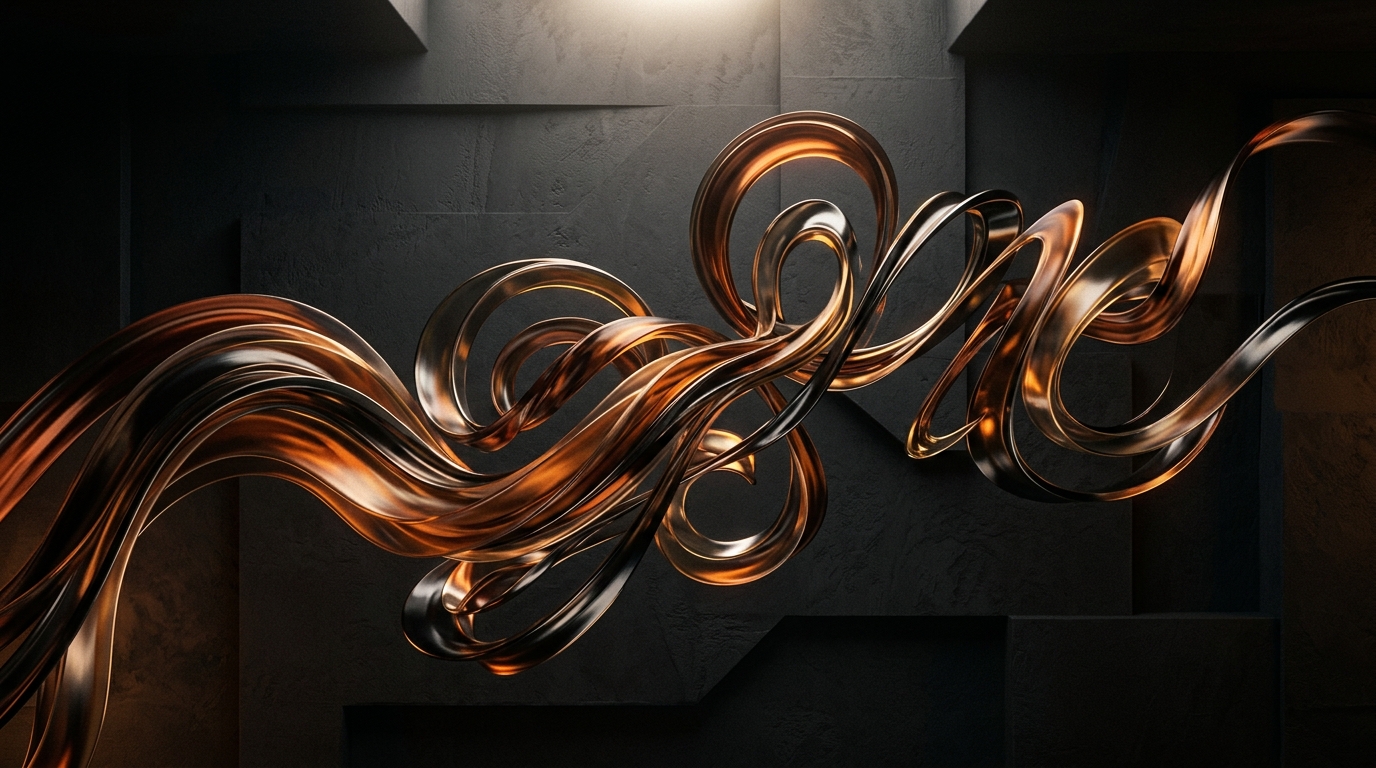
For more than a century, brand identity was anchored to a single, immutable premise: a logo is a static vector designed for the printed page. We carefully measured millimeter clearances, produced 100-page static brand manuals in PDF format, and enforced rigid rules that treated a company’s visual mark like a frozen monument. But in 2026, the primary touchpoints of brand experience are no longer printed business cards or roadside billboards—they are interactive viewports, spatial displays, dynamic video feeds, and ambient user interfaces. As explored in our analyses of ambient UX architectures and tactile realism, digital surfaces are alive, responsive, and constantly in motion.

In this dynamic landscape, a static, unmoving logo is not timeless; it is inert. The vanguard of brand identity in 2026 belongs to Kinetic Typography and Fluid Brand Systems.

1. The Evolution: From Static Vectors to Living Code

A fluid brand system does not rely on a single locked mark. Instead, it is built on a set of generative motion rules and behavioral parameters:

  • Variable Typography as the Core Engine: OpenType variable fonts allow weight, width, slant, optical sizing, and custom parametric axes to morph smoothly along a continuous spectrum. Rather than jumping between predefined weights, typography breathes in real time.
  • Scroll-Velocity & Cursor Reactivity: Letterforms expand, contract, or tilt in response to user interaction—stretching under fast scroll momentum and relaxing into elegant serif postures when the user pauses to read.
  • Algorithmic Generative Marks: Brands now deploy identities that subtly evolve based on real-world inputs (such as time of day, audio input, market volatility, or geographical region) while maintaining unmistakable brand coherence.

2. Why Static Tech Branding Created “Blanding” Fatigue

Between 2015 and 2024, the corporate design world suffered from severe aesthetic homogenization. Tech startups and legacy fashion houses alike flattened their unique visual heritage into nearly indistinguishable black geometric sans-serifs (the era of corporate “blanding”).

In 2026, brands are reclaiming distinctive identity through expressive kinetic motion. Motion is the new trademark. How a letterform accelerates, how a ligature snaps into place, and the elastic tension of an interactive wordmark convey more brand personality and luxury craftsmanship than an unmoving glyph ever could.

3. The Technical Architecture of Motion in 2026

Historically, complex kinetic branding was restricted to pre-rendered video files or heavy After Effects Lottie animations that bloated page load speeds. Modern fluid systems are lightweight and code-native:

  • CSS Variable Font Axes & WAAPI: Utilizing the Web Animations API (WAAPI) and hardware-accelerated CSS custom properties allows fluid kinetic type to render at 120 FPS on modern mobile displays with negligible memory overhead.
  • WebGL & Shader-Driven Textures: For high-end luxury digital flagships, WebGL shaders provide real-time liquid metallic refractions and tactile depth directly on interactive letterforms without pre-rendered video assets.

Brand Identity Paradigms: Static Print (2018) vs. Fluid Kinetic (2026)

Brand Attribute Static Legacy Branding (2018) Fluid Kinetic Brand System (2026)
Core Asset Locked SVG / Vector EPS logo file Parametric variable font + motion code tokens
User Interaction Passive observation (Zero responsiveness) Interactive (Reacts to cursor, scroll velocity & audio)
Brand Guidelines Static 80-page PDF document Living Figma Design Tokens synced directly to code
Emotional Resonance Corporate, rigid, and homogenous Tactile, energetic, memorable & bespoke
Principal Takeaway: In a multi-sensory digital world, consistency is no longer about visual repetition; it is about behavioral rhythm. A logo is no longer something you place in the corner of a website—it is a living entity that conducts the entire emotional atmosphere of your digital experience.

People Also Ask (PAA)

What is kinetic typography in modern branding?
Kinetic typography refers to moving, interactive typographic elements that change weight, scale, and shape dynamically based on user interaction, motion physics, or environmental data, transforming text from a static reading medium into an expressive visual identity.

Why are static logos becoming obsolete in digital design?
Because digital experiences on smartphones, smart displays, and spatial headsets are fundamentally interactive. Static logos cannot adapt to responsive viewport ratios or communicate personality through motion, causing brands to feel rigid and outdated compared to fluid, kinetic systems.

Do variable fonts slow down website loading speeds?
No. In fact, a single OpenType variable font file containing infinite weight and width variations is typically significantly smaller in total file size than loading 6 to 8 individual static font weights (e.g., Light, Regular, Medium, Bold, ExtraBold, Black), improving page load performance and Core Web Vitals.